Table of Contents
Colonel Ralph Weldon’s Regiment of Foot
| Flag Illustration | 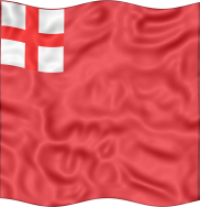 1) 1) |
| Active | 1645 to 1660 |
| Country | England |
| Allegiance | Parliamentarian |
| Conflicts | First Civil War |
| Second Civil War | |
| Type | Foot |
| Colonel | Ralph Weldon |
| Robert Lilburne | |
| Sir Arthur Hesilrige | |
| Charles Howard | |
| Sir Arthur Hesilrige | |
| John Meyer | |
| Lord Widdrington | |
| Area Raised | Kent |
| Coat Colour | Red |
| Flag Colour | Crimson? |
| Flag Design | Unknown |
| Field Armies | NMA 1645-6 |
| Hesilrige 1648 |
Also Colonel Robert Lilburne’s, Sir Arthur Hesilrige’s, Charles Howard’s, John Meyer’s and Lord Widdrington’s Regiment of Foot
New Model Army regiment of foot, serving in the First Civil War and thereafter in garrison in the north
Service History
1645
- April: Formed from Colonel Ralph Weldon’s Regiment of Foot of Waller’s army
- May: Relief of Taunton
- May to July: Besieged at Taunton
- July: Battle of Langport
- July: Siege of Bridgewater
- August: Siege of Portishead Point Fort (det)
- August to September: Siege of Bristol
- October: Siege of Tiverton
- October to April 1646: Siege of Exeter
- 16 December 1645 Weldon appointed Governor of Plymouth (LJ viii, 43)
1646
- January to May: Siege of Salcombe Castle
- March: Taking of Inch House
- May to June: Siege of Oxford
- Command of the regiment given to Colonel Robert Lilburne. (precise date not known but probably early in the year)
1647
- May: Divided as to whether to serve in Ireland
- June: Refuse to disband
- October: Mutiny at St Albans
- December: Sir Arthur Hesilrige replaces Lilburne as Colonel
1648
- In garrison at Newcastle
- August: Storm of Tynemouth Castle
1649
- Garrison Newcastle and Tynemouth
1650
- Garrison Newcastle and Tynemouth
- August: Five companies sent to form George Monck’s Regiment of Foot, Hesilrigge instructed to re-raise five companies
- Suppress Scottish witch-finder in Newcastle
1651
- Guard Scots prisoners from Dunbar at Durham
- October: Eight companies garrison Carlisle, two Tynemouth
1652
1653
1654
1655
1656
- July: Howard replaces Hesilrige
1657
1658
- In garrison at Berwick (5 coy), Carlisle ( 3 coy) and Tynemouth (1 coy)
- April: Ordered to be recruited up to 1000 and add one company newly raised in Hartlepool
1659
- July: Parliament replaces Howard with Hesilrige again
- October: Monck secures co-operation of the regiment in Berwick
- October: Companies in Carlisle support the army faction
1660
- January: Companies in Carlisle and Tynemouth declare for Parliament
- March: Hesilrige replaced by his Lieutenant Colonel, John Meyer
- August: Lord Widdrington appointed Colonel
- November: Four companies disbanded at Carlisle
- Remainder of the regiment retained in garrison a while before disbanding
Notes
A history of the regiment is given in The Regimental History of Cromwell's Army by Sir Charles Firth and Godfrey Davies, Clarendon Press, Oxford, 1940.
Colonel Ralph Weldon’s New Model Army regiment was formed from his own regiment of Sir William Waller’s Southern Association, originally raised in Kent. They missed Naseby instead fighting at Taunton, then on Fairfax’s Western campaign, and served at the siege of Oxford.
Weldon being appointed governor of Plymouth the regiment was given to Robert Lilburne, then passed to Sir Arthur Hesilrige with the regiment moving into garrison at Newcastle by 1648. In August of that year they stormed Tynemouth Castle after Lt Col Henry Lilburne had changed sides and declared for the King. The regiment remained in garrison in the North, sending drafts to Scotland and Ireland. In 1659 they eventually came over to Monck’s party and were disbanded at the end of 1660.
Coats, Flags and Equipment
Red coats. Probably the regiment carried crimson flags in 1645; they had carried crimson colours and worn red coats in the Southern Association. While most other New Model regiments of foot received funds to buy colours in April 1645, Weldon’s had to wait until the 27th of November, implying that they held onto their old colours throughout the year. What colour the November flags were is sadly unrecorded. They also received new partizans, halberds and drums at the same time.
Notable Officers
Colonel Ralph Weldon
Ralph Weldon. His letter to Fairfax describing the relief of Taunton survives: Letter
Colonel Robert Lilburne
Robert Lilburne Brother of the Leveller John Lilburne and regicide. He deputised for Lambert as Major-General for Yorkshire during the Protectorate.
Sir Arthur Hesilrige
Colonel Charles Howard
Colonel John Mayer
Mayer had served as Lieutenant Colonel of the regiment and was promoted on Hesilrige’s dismissal.
Lord Widdrington
William Widdrington, 2nd Baron Widdrington was son of the First Lord Widdrington who commanded a cavalry regiment under Newcastle in the First Civil War and was slain at Wigan Lane in 1651.
Strength
- 1645: Established at 1000 men in ten companies (probably not up to strength)
- 1658: Ordered to be recruited up to 1000