Table of Contents
Colonel John Pickering’s Regiment of Foot
| Flag Illustration | 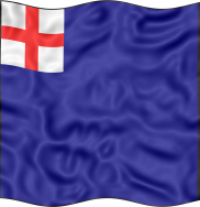 1) 1) |
| Active | 1645 to 1660 |
| Country | England |
| Allegiance | Parliamentarian |
| Conflicts | First Civil War |
| Second Civil War | |
| Irish Confederate War | |
| Booth’s Rising | |
| Restoration Crisis | |
| Type | Foot |
| Colonel | John Pickering |
| John Hewson | |
| Henry Markham | |
| John Streeter | |
| Lord Belasyse | |
| Area Raised | East Anglia |
| Coat Colour | Red |
| Flag Colour | Blue |
| Flag Design | Unknown |
| Field Armies | NMA 1645-6 |
| Fairfax 1648 | |
| Cromwell 1649-50 |
Later Colonel John Hewson’s, Henry Markham’s, John Streeter’s and Lord Belasyse’s Regiment of Foot
New Model Army regiment of foot, serving in the First and Second Civil Wars and thereafter in Ireland, with a detachment sent back to England forming a second regiment
Service History
1645
- April: Formed from Colonel John Pickering’s Regiment of Foot of Manchester's army, reinforced by a draft from Colonel Thomas Ayloffe’s Regiment of Foot
- April: Repulsed from Faringdon House
- May: Skirmish at Radcot Bridge?
- 14th June: Battle of Naseby
- June: Siege of Leicester
- July: Reinforced from Colonel Herbert Morley’s Regiment of Foot
- July: Battle of Ilminster (det)
- July: Battle of Langport
- July: Siege of Bridgewater
- July to August: Siege of Sherborne Castle
- August to September: Siege of Bristol
- September: Siege of Devizes
- September: Siege of Lacock House
- September to October: Siege of Winchester
- 14th October: Storm of Basing House
- October to February 1646: Siege of Corfe Castle
- October: Taking of Langford House
- October to April 1646: Siege of Exeter
- November: Pickering dies of a fever at the siege of Exeter and is replaced by Hewson
1646
- May to June: Siege of Oxford
1647
- May: Hewson and the regiment support the Army and refuse to disband
- June: At Newmarket
- August: At Southwark and enter London
- November: At Kingston
1648
- January: Sent to Canterbury to restore order
- April - May: Garrison of London
- June: Battle of Maidstone
- June: Relief of Dover
- July: Siege of Walmer
- August: Skirmish at Deal
- August: Siege of Deal
- September: Siege of Sandown
- November: At Windsor
- December: Occupy London
1649
- January: Guard Westminster Hall during the trial of King Charles
- April: Selected by lot for service in Ireland
- 27th - 29th July: Arrived in Dublin
- 2nd - 11th September: Siege of Drogheda
- Garrison of Drogheda?
- Garrison of Dublin
1650
- March: Taking of Ballisonan Castle
- March: Taking of Leighlin Castle
- 20th - 27th March: Siege of Kilkenny
- 27th April - 18th May: Siege of Clonmel
1651
- Serving in Ireland
1652
- Serving in Ireland
1653
- Serving in Ireland
1654
- Serving in Ireland
1655
- January: Four companies return to England
- August: Two companies disbanded in Ireland
1656
- October: Hewson ordered to recruit the four companies in England up to a full regiment
1657
1658
1659
- Hewson’s regiment in Ireland to be given to Colonel Henry Markham
- August: Battle of Winnington Bridge (led by Lt Col John Duckenfield)
- October: At Westminster
- December: Involved in London riots
- December: In Ireland, Garrison of Dublin Castle
1660
- January: Hewson replaced by Colonel John Streeter
- March: Quartered at Buckingham, Northampton and Newark
- April: Quartered at Coventry (3 coy)
- April: Capture Lambert at Daventry (2 coy)
- July: Streeter replaced by Lord Belasyse
- October: Disbanded, though four companies maintained to garrison Hull
Notes
A history of the regiment is given in The Regimental History of Cromwell's Army by Sir Charles Firth and Godfrey Davies, Clarendon Press, Oxford, 1940. An online history of the regiment is shown at Pickering's Regiment of Foote.
Pickering’s regiment was formed from his Regiment of Foot of Manchester’s army. They fought at Naseby, on Fairfax’s Western campaign and under Cromwell’s command at a series of sieges. In November 1645 Pickering died of ‘the new disease’ at the siege of Exeter and was replaced by his Lt Col, John Hewson, who led the regiment at the siege of Oxford.
In the Second Civil War Hewson’s regiment fought at Maidstone under Fairfax and were then detached to relieve Dover and re-take Royalist-occupied strongholds in Kent. In 1649 they were sent to Ireland, serving on Cromwell’s Irish campaign, with Lt Col Daniel Axtell blamed for initiating the notorious massacre at Drogheda. The regiment continued to serve in Ireland up to the Restoration, though transferred to Colonel Henry Markham in 1659.
In 1655 four companies were sent back to England and the next year Hewson was authorised to build them back up to a full regiment. Therefore from 1656-1659 Hewson was nominally commander of two foot regiments, one in Ireland and one in England. The regiment in England helped put down Booth’s rising and were involved in the Restoration crisis. Hewson was replaced by Streeter, who led a detachment to capture Lambert at Daventry. In July, Streeter was demoted to major and the Royalist Lord Belasyse was given the colonelcy, with Anthony Gilby as Lt Col. The regiment were disbanded in October 1660, though four companies continued in service as garrison of Hull, where Belasyse was governor.
Coats, Flags and Equipment
Red coats. The regiment were paid for ten new flags in April 1645, and were noted as flying blue flags at the storm of Basing House in October of that year2). The designs of the flags are unknown. In June 1649 Hewson's regiment were given £20 to buy new flags, colours and design unknown.
Notable Officers
Colonel John Pickering
Colonel John Hewson
Colonel Henry Markham
In 1659 Markham was given command of Hewson’s regiment serving in Ireland, but this appears mainly nominal as he remained in England.
Colonel John Streeter
Lord Belasyse
Lt Colonel Daniel Axtell
Lt Col Anthony Gilby
Gilby was a Royalist colonel in the First Civil War.
Lord Bellasis
Officer Lists
More detailed lists of officers for April and May 1645, December 1646, May and August 1647 and May 1649 are shown in Reconstructing the New Model Army. Volume 1, Regimental Lists April 1645 to May 1649 by Malcolm Wanklyn, Helion & Co. 2015. ISBN 978-1-910777-10-7.
May 1645
From Anglia Rediviva3)
- Colonel: John Pickering
- Lieutenant Colonel: John Hewson
- Major: John Jubbs
- Captain: Daniel Axtell
- Captain: Azariah Husbands
- Captain: George Jenkins
- Captain: John Carter
- Captain: Silverwood
- Captain: Ralph Gale
- Captain: Thomas Price
December 1646
From Anglia Rediviva4)
- Colonel: John Hewson
- Lieutenant Colonel: John Jubbs
- Major: Daniel Axtell
- Captain: John Carter
- Captain: Silverwood
- Captain: Thomas Price
- Captain: Toppington
- Captain: Grimes
- Captain: ?
- Captain: ?
Strength
- 1645: Established at 1000 men in ten companies (probably not up to strength)
See Also
Links
Pickering's are now re-enacted by Colonel John Pickering, His Regiment of Foote of the Sealed Knot.